Artificial intelligence has moved from science fiction to everyday reality, transforming consumer electronics in profound ways. From smartphones that anticipate your needs to televisions that optimize picture quality in real-time, AI is making our devices smarter, more intuitive, and increasingly indispensable. This integration represents more than just added features; it's a fundamental reimagining of how we interact with technology.
The Foundation: Machine Learning in Modern Devices
At the heart of AI integration in consumer electronics lies machine learning, where devices learn from patterns and experiences to improve performance over time. Unlike traditional programming where every scenario must be explicitly coded, machine learning allows devices to adapt to new situations based on accumulated knowledge.
Modern smartphones exemplify this approach, using neural networks to enhance photography. When you point your camera at a scene, AI instantly analyzes the subject and adjusts settings for optimal results. It can distinguish between portraits, landscapes, food, and dozens of other categories, applying appropriate enhancements automatically. This technology has democratized professional-quality photography, making exceptional images accessible to everyone.
Natural Language Processing and Voice Interfaces
Voice assistants represent one of the most visible applications of AI in consumer electronics. These systems use natural language processing to understand spoken commands, context, and even emotional tone. The evolution from simple voice recognition to true language understanding has been remarkable.
Modern voice assistants can handle complex, multi-part requests without requiring rigid command structures. They maintain context across conversations, allowing natural follow-up questions. Some can distinguish between different household members' voices, providing personalized responses and access to individual calendars, preferences, and content.
The technology extends beyond standalone smart speakers into televisions, refrigerators, cars, and wearables. This ubiquity creates opportunities for seamless interaction across devices, where a request started on your phone can be completed on your television or smart display.
Computer Vision in Consumer Devices
Computer vision enables devices to understand visual information, opening new possibilities for interaction and functionality. Smartphones use facial recognition for secure authentication, analyzing dozens of unique facial features to verify identity while protecting against spoofing attempts with photographs or masks.
Augmented reality applications leverage computer vision to overlay digital information onto the real world. From furniture shopping apps that show how items look in your home to navigation systems that highlight directions on live camera feeds, these applications blend physical and digital worlds seamlessly.
Security cameras equipped with computer vision can distinguish between people, animals, and vehicles, sending relevant alerts rather than triggering on every movement. Some can even recognize specific individuals, enabling personalized home automation and enhanced security.
Predictive Intelligence and Personalization
AI enables devices to anticipate user needs based on patterns and context. Smartphones learn when you typically use certain apps and preload them for faster access. They predict which contacts you'll likely call at specific times or in certain locations. These predictions happen invisibly, improving performance without requiring user intervention.
Streaming devices and smart televisions use recommendation algorithms that analyze viewing habits to suggest content. These systems consider not just what you watch but when, how long, and even whether you complete series or abandon them halfway through. The algorithms continuously refine their understanding, becoming more accurate over time.
Wearable devices use predictive AI to provide health insights, detecting irregular heart rhythms or unusual activity patterns that might indicate health issues. They learn your typical baseline and alert you to significant deviations, potentially catching problems before symptoms become severe.
Audio Enhancement and Noise Cancellation
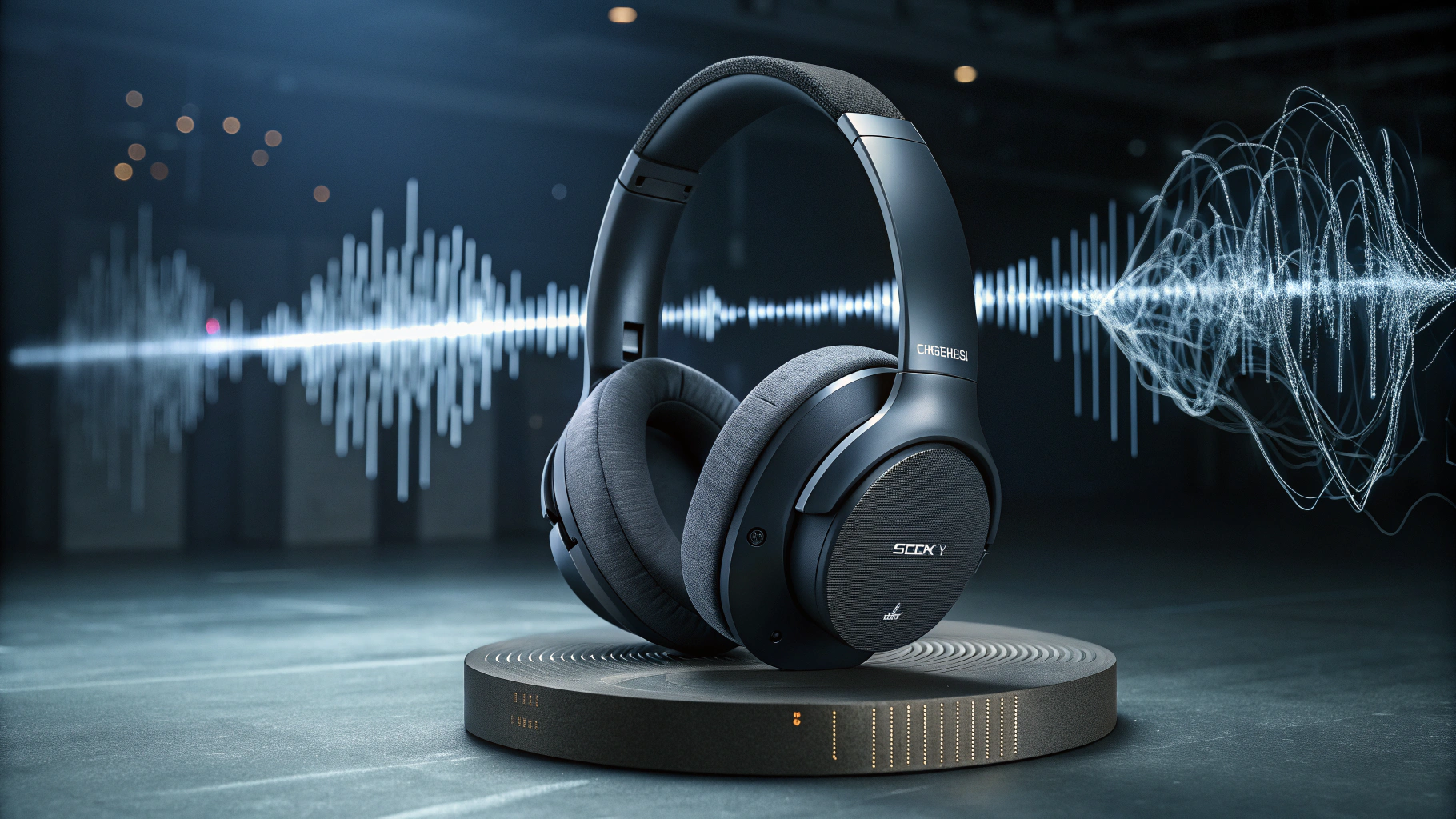
AI has revolutionized audio quality in headphones and earbuds. Adaptive noise cancellation uses machine learning to identify and eliminate background noise in real-time, adjusting based on your environment. These systems can distinguish between noise you want to block, like airplane engines, and sounds you need to hear, like safety announcements.
Smart speakers use beamforming and echo cancellation to isolate voice commands even in noisy environments or while music is playing. Multiple microphones work together, with AI coordinating their inputs to focus on relevant sounds while filtering out interference.
Call quality has improved dramatically through AI-powered voice enhancement. These systems can separate your voice from background noise, suppress echo, and even reduce wind noise during outdoor calls. The processing happens in real-time with imperceptible latency, creating crystal-clear communication even in challenging conditions.
Battery Management and Power Optimization
AI plays a crucial role in extending battery life, one of the most important factors in portable device satisfaction. By learning usage patterns, devices can optimize power consumption, allocating resources to apps and features you use while restricting background activity for rarely-used services.
Adaptive charging uses AI to slow battery charging overnight, reducing wear and extending overall battery lifespan. The system learns when you typically wake up and ensures the device reaches full charge just before your alarm, minimizing the time spent at maximum capacity.
Some devices can predict battery drain based on your schedule and planned activities, warning you to charge before critically low levels. They can also identify apps consuming excessive power and suggest optimizations or restrictions.
Display Technology and Visual Optimization
Modern televisions and smartphone displays use AI to enhance picture quality in real-time. Upscaling algorithms can transform lower-resolution content into near-4K or 8K quality by intelligently filling in missing details. These systems analyze each frame, understanding objects and textures to add appropriate detail without creating artifacts.
Adaptive brightness goes beyond simple ambient light sensing, considering the content being displayed and time of day. AI can identify bright scenes that might be uncomfortable in dark rooms and adjust accordingly, while ensuring important details remain visible.
Some displays use AI to detect different types of content, automatically switching to optimal picture modes. Sports might trigger enhanced motion smoothness, while movies receive cinematic color grading, all happening seamlessly as you watch.
Privacy and On-Device Processing
Growing privacy concerns have driven a shift toward on-device AI processing. Rather than sending data to cloud servers for analysis, modern devices perform many AI tasks locally. This approach protects privacy while reducing latency and enabling functionality even without internet connectivity.
Dedicated neural processing units in smartphones and other devices accelerate on-device machine learning. These specialized chips handle AI tasks more efficiently than general-purpose processors, enabling complex real-time processing without draining batteries.
Federated learning allows devices to improve their AI models by sharing insights without sharing raw data. Devices learn from collective experiences while keeping personal information private, balancing personalization with privacy protection.
Gaming and Entertainment Enhancement
AI transforms gaming through dynamic difficulty adjustment that keeps experiences challenging but not frustrating. Games learn your skill level and adjust enemy behavior, puzzle complexity, and resource availability to maintain engagement. This creates more accessible games that remain enjoyable for players of all abilities.
Graphics enhancement using AI can improve frame rates, reduce latency, and even generate intermediate frames for smoother motion. Some systems can reconstruct higher-resolution images from lower-resolution rendering, maintaining visual quality while improving performance.
Non-player characters in games use AI to exhibit more realistic behavior, learning from player actions and adapting strategies. This creates more immersive, unpredictable experiences where each playthrough feels unique.
The Road Ahead: Emerging Applications
Current AI capabilities are just the beginning. Future developments will bring even more sophisticated integration. Emotion recognition may allow devices to adapt interfaces and content based on your mood. Contextual awareness will enable seamless transitions as you move between devices and locations.
Health monitoring will become more comprehensive, with AI analyzing multiple data streams to provide holistic wellness insights. Devices might detect early signs of illness, track medication effectiveness, or identify environmental factors affecting your health.
The convergence of AI with other technologies like augmented reality, 5G connectivity, and advanced sensors will enable applications we can barely imagine today. The key challenge will be ensuring these powerful capabilities enhance human experiences without compromising privacy, security, or autonomy.
Conclusion
Artificial intelligence has become integral to consumer electronics, enhancing every aspect of how we interact with technology. From subtle optimizations that improve battery life to obvious features like voice control and computational photography, AI makes devices more capable and intuitive. As the technology continues evolving, the line between using devices and having them anticipate our needs will blur further, creating experiences that feel less like operating machines and more like having intelligent assistants seamlessly supporting our daily lives.