The smart home revolution has reached new heights in 2025, with devices that are more intelligent, interconnected, and intuitive than ever before. Whether you're building a smart home from scratch or upgrading existing systems, these ten devices represent the pinnacle of home automation technology, offering unprecedented convenience, security, and energy efficiency.
1. Next-Generation Smart Thermostats
Modern smart thermostats have evolved far beyond simple temperature control. The latest models use artificial intelligence to learn your schedule, preferences, and even predict weather patterns to optimize heating and cooling. They integrate with occupancy sensors throughout your home to ensure energy isn't wasted on empty rooms.
Advanced features include geofencing that automatically adjusts temperatures when you leave or return home, integration with utility companies for demand-response programs, and detailed energy consumption analytics. Some models can detect HVAC system problems before they become expensive failures, potentially saving thousands in repair costs.
2. AI-Powered Security Camera Systems
Security cameras have become remarkably sophisticated, using computer vision and machine learning to distinguish between family members, pets, delivery personnel, and potential threats. These systems can recognize familiar faces, detect unusual activities, and send targeted alerts based on specific events rather than generic motion detection.
The latest cameras offer 4K resolution with HDR for crystal-clear footage in all lighting conditions. Built-in spotlights and two-way audio allow you to interact with visitors remotely. Local storage options address privacy concerns while cloud integration ensures footage is preserved even if cameras are damaged or stolen.
3. Smart Lighting Systems
Intelligent lighting goes far beyond simple on-off control. Modern systems adjust color temperature throughout the day to support natural circadian rhythms, improving sleep quality and daytime alertness. They can create dynamic scenes for different activities, from bright task lighting for work to warm ambient lighting for relaxation.
Motion sensors ensure lights are only on when rooms are occupied, while integration with entertainment systems creates immersive experiences by syncing with music or movies. Some advanced systems even adjust lighting based on natural daylight levels to maintain consistent brightness while minimizing energy consumption.
4. Smart Door Locks and Access Control
Smart locks provide keyless entry through multiple methods including smartphone apps, numeric codes, fingerprint recognition, and even facial recognition on premium models. Temporary access codes can be generated for guests or service providers, automatically expiring after specified periods.
Integration with security systems and cameras creates a comprehensive entry monitoring solution. You receive notifications whenever doors are locked or unlocked, and can remotely grant access when needed. Battery life has improved dramatically, with some models lasting over a year on a single charge while maintaining constant connectivity.
5. Intelligent Voice Assistants and Smart Displays
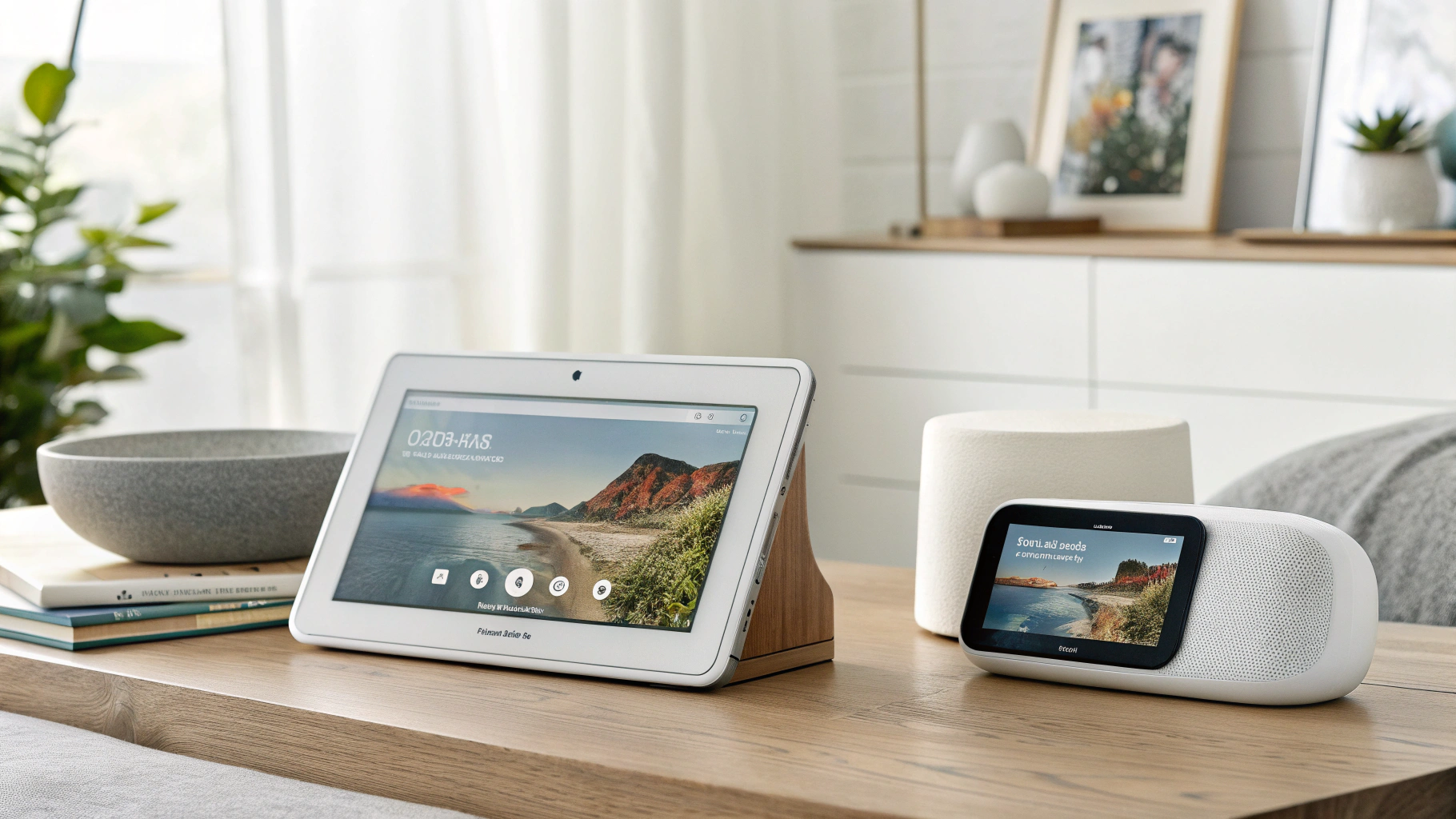
Voice assistants have become the central hub for smart home control. The latest generation understands natural language more effectively, can distinguish between different household members' voices, and provides increasingly personalized responses. Smart displays add visual interfaces for recipes, video calls, security camera feeds, and smart home control.
These devices now serve as home intercoms, allowing communication between rooms. They can display your calendar, weather, news, and photos when idle. Integration with streaming services, smart appliances, and home systems makes them indispensable coordination points for modern households.
6. Smart Smoke and Carbon Monoxide Detectors
Traditional smoke detectors simply sound alarms, but smart versions provide specific information about the type and location of detected threats. They send smartphone alerts even when you're away, potentially saving lives and property. Monthly self-testing ensures they're always operational.
Advanced models can detect slow-burning fires earlier than conventional detectors and distinguish between actual emergencies and cooking smoke, reducing false alarms. Integration with smart home systems can trigger automatic responses like turning on lights, unlocking doors for evacuation, and shutting down HVAC systems to prevent smoke circulation.
7. Robotic Vacuum Cleaners with Advanced Mapping
Modern robotic vacuums have transformed from simple bump-and-go machines to sophisticated cleaning systems. Using LIDAR or camera-based mapping, they create detailed floor plans and clean in efficient patterns. They can identify different room types and adjust cleaning intensity accordingly, using stronger suction on carpets and gentler settings on hardwood.
Multi-floor mapping allows them to navigate entire homes, while no-go zones prevent them from disturbing pet feeding areas or cable clusters. Self-emptying bases mean weeks of autonomous operation. Some models now include mopping functions, making them complete floor care solutions.
8. Smart Kitchen Appliances
Kitchen technology has advanced remarkably, with refrigerators that track inventory, suggest recipes based on available ingredients, and even order groceries automatically. Smart ovens can be preheated remotely and use internal cameras with AI to recognize foods and suggest optimal cooking settings.
Coffee makers that start brewing when your alarm goes off, dishwashers that run during off-peak energy hours, and ranges with precision temperature control all contribute to more efficient, enjoyable cooking experiences. Voice control integration means you can manage everything hands-free while preparing meals.
9. Smart Irrigation and Garden Systems
Outdoor smart devices optimize water usage while maintaining beautiful landscapes. Smart sprinkler controllers access weather forecasts and soil moisture data to water only when necessary, reducing water consumption by up to 50%. Zone-specific control ensures different plant types receive appropriate watering schedules.
Some systems include sensors that detect leaks in irrigation lines, preventing water waste and potential property damage. Integration with weather stations ensures watering is skipped during rain and adjusted based on temperature and humidity. The environmental and financial benefits make these systems increasingly popular.
10. Smart Plugs and Energy Monitors
While seemingly simple, smart plugs are incredibly versatile smart home components. They can make any device smart, allowing remote control and scheduling of lamps, fans, heaters, and more. Energy monitoring features reveal which devices consume the most power, helping identify opportunities for savings.
Advanced models include USB ports for charging devices and can handle high-wattage appliances safely. Some incorporate surge protection and can automatically cut power during electrical storms. Their affordability makes them ideal entry points for those beginning their smart home journey.
Integration and Ecosystem Considerations
When selecting smart home devices, compatibility is crucial. Major ecosystems like Amazon Alexa, Google Home, and Apple HomeKit each have strengths and limitations. Devices supporting multiple platforms offer flexibility, while those dedicated to a single ecosystem may provide deeper integration.
The Matter standard, launched in recent years, is improving interoperability between devices from different manufacturers. This open-source protocol ensures devices can communicate regardless of their native ecosystem, reducing vendor lock-in and increasing consumer choice.
Privacy and Security Best Practices
With increased connectivity comes responsibility for security. Always change default passwords, enable two-factor authentication where available, and keep firmware updated. Consider creating a separate network for smart home devices to isolate them from personal computers and phones.
Review privacy policies to understand what data devices collect and how it's used. Disable features you don't need, particularly always-on microphones or cameras in sensitive areas. Regular security audits of your smart home network help identify and address vulnerabilities before they're exploited.
Conclusion
The smart home devices of 2025 offer unprecedented control, efficiency, and convenience. Whether your priority is security, energy savings, or simply making daily life easier, there are solutions available at various price points. Start with devices addressing your most pressing needs, then gradually expand your system. The result will be a home that's not just smart, but truly intelligent, adapting to your lifestyle and making every day a little bit easier.